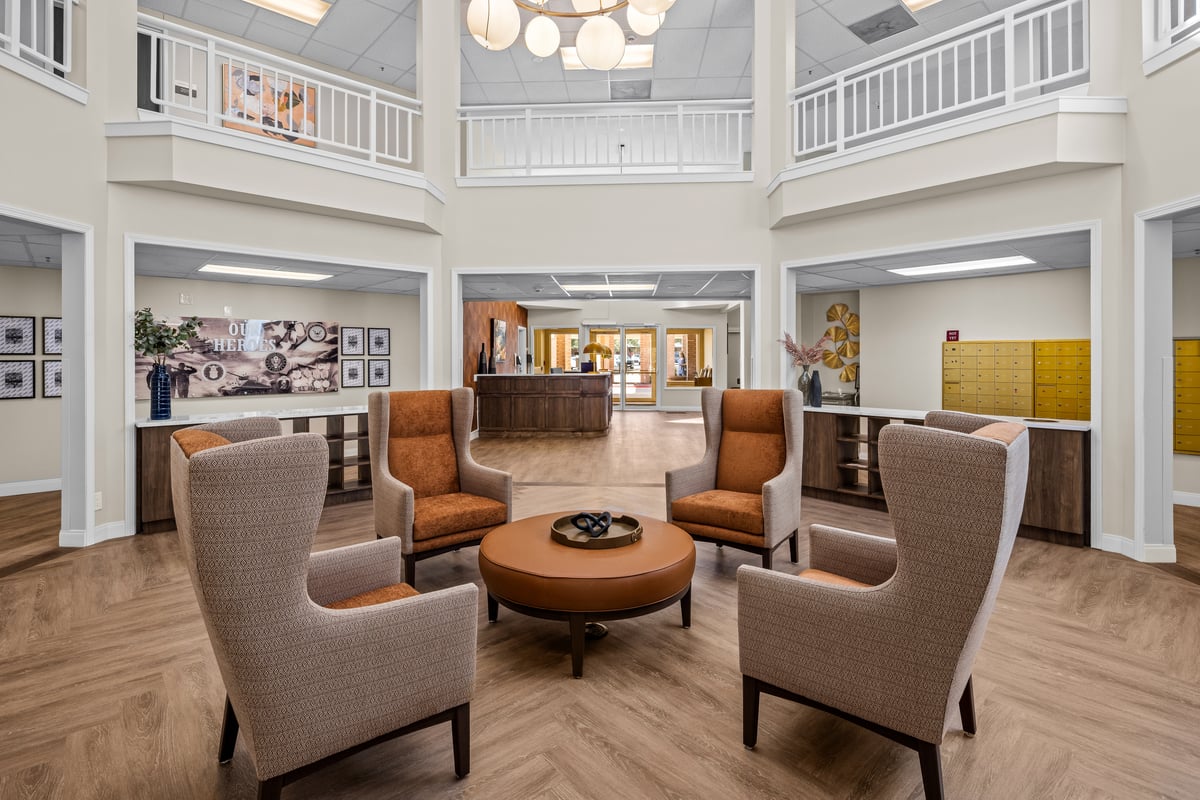
Stay safe in senior living in Texas by spending time in air-conditioned spaces during summer, dressing well in cooler weather, staying hydrated, and keeping windows closed during high pollen days.
Texas is known for its wide-open spaces, vibrant communities, and diverse climate. For older adults considering or already enjoying senior living in the Lone Star State, understanding and adjusting to seasonal weather shifts is an important part of maintaining comfort, health, and overall well-being in Midland, TX.
Texas is the most disaster-prone state in the country, according to the Guardian, recording 190 extreme weather events between 1980 and 2024, each inflicting more than $1bn in damage.
From hot, humid summers to occasional winter cold snaps, Texas weather can change quickly. With a little preparation and awareness, senior living in Texas can go well together
Understanding Texas Seasonal Patterns
Unlike northern states with long, snowy winters, Texas experiences a range of weather patterns depending on the region. Cities like Houston often see humid, storm-heavy summers, while Dallas and Fort Worth may experience dramatic temperature swings between seasons.
In central Texas cities such as Austin, summers are hot and dry, while winters are typically mild but unpredictable.
For seniors, adapting to climate retirement is crucial, but it can be hard when these shifts affect hydration, mobility, respiratory health, and even mood. Being proactive about seasonal changes helps reduce health risks and increases comfort.
Staying Safe During Hot Texas Summers
Summer in Texas can bring extended periods of high heat and humidity. For older adults, heat poses particular risks, including dehydration and heat-related illness. As we age, the body becomes less efficient at regulating temperature, making it more important to stay cool and hydrated.
If at an outdoor engagement, Texas seniors need to prepare well for that.
In senior living communities, air-conditioned indoor spaces provide a safe haven during peak heat hours. Residents are encouraged to:
- Drink water regularly, even if you don't feel thirsty
- Wear lightweight, breathable clothing
- Limit outdoor activities to early mornings or evenings
- Use hats and sunscreen when outside
Communities often adjust activity schedules during summer months, offering indoor fitness classes, social events, and hobby groups to keep residents active without exposure to extreme heat.
Preparing For Storm Season
Parts of Texas are prone to thunderstorms, heavy rainfall, and even hurricanes, particularly in coastal regions like Galveston. Storm preparedness is an important part of senior living planning. Seasonal adjustment for older adults begins well before the storm season.
Reputable senior living communities have emergency response protocols in place, including backup power systems, evacuation plans, and communication procedures to keep families informed. Residents benefit from structured safety measures that can be more difficult to manage independently at home.
For seniors living independently, it's wise to keep emergency kits stocked with flashlights, medications, bottled water, and important documents. Staying informed through local weather alerts also provides peace of mind.
Adjusting To Cooler Weather
While Texas winters are generally mild, cold fronts can bring sudden temperature drops and icy conditions. In February 2021, a major winter storm reminded many Texans that even southern states can face extreme cold.
For seniors, cooler weather can increase joint stiffness, aggravate arthritis symptoms, and raise the risk of slips and falls. Senior living communities often help residents adapt by:
- Ensuring walkways are clear and well-lit
- Offering indoor exercise programs to maintain mobility
- Monitoring indoor heating systems for consistent warmth
Layering clothing and staying physically active indoors can also help maintain circulation and comfort during colder days. Senior lifestyle in Texas doesn't have to suffer when the weather changes.
Managing Seasonal Allergies And Respiratory Health
Seasonal allergies are common across Texas due to pollen from trees, grasses, and plants. Cities like San Antonio frequently report high pollen counts during certain times of the year. For seniors with asthma or other respiratory conditions, these fluctuations can be challenging.
Independent living communities often maintain high-quality air filtration systems and keep indoor common areas clean to reduce allergen exposure. Residents can further protect themselves by:
- Checking daily pollen forecasts
- Keeping windows closed during high pollen days
- Showering after spending time outdoors
- Consulting healthcare providers about allergy management
Being proactive reduces discomfort and helps seniors continue enjoying outdoor amenities safely.
Supporting Emotional Well-Being Through Seasonal Change
Seasonal changes don't just impact physical health; they can influence mood and energy levels as well. Shorter daylight hours in winter or prolonged indoor time during extreme heat may affect social engagement.
Structured programming in senior living communities plays a key role in maintaining emotional wellness. Group activities, holiday celebrations, educational workshops, and volunteer opportunitiesfoster connection year-round. Staying socially active helps reduce isolation and supports mental health regardless of the season.
Frequently Asked Questions
How Does Texas Heat Specifically Impact Seniors?
High temperatures increase the risk of dehydration, heat exhaustion, and heat stroke. Seniors may not feel thirst as strongly as younger adults, making regular hydration especially important. Air conditioning and limiting midday outdoor exposure significantly reduce risks.
Are Senior Living Communities Prepared For Extreme Weather?
Yes. Most established communities in Texas have emergency preparedness plans, backup power sources, and trained staff to respond during storms or extreme cold. Families can ask about specific protocols before choosing a community.
What Should Seniors Keep In An Emergency Kit?
An emergency kit should include bottled water, non-perishable snacks, medications, a flashlight, batteries, important documents, and a list of emergency contacts. Communities typically guide residents on recommended supplies.
Can Seasonal Weather Affect Arthritis Or Joint Pain?
Yes. Cold and damp weather can increase joint stiffness and discomfort. Gentle indoor exercise, warm clothing, and staying active can help manage symptoms.
How Can Seniors Stay Active During Extreme Weather?
Indoor fitness classes, walking inside climate-controlled spaces, social clubs, and hobby groups provide safe ways to stay active. Senior living communities often adjust programming to accommodate seasonal conditions.
Senior Living in Texas Cares About Residents' Well-Being
No matter what the weather in Texas might be, senior living communities are doing all they can to take care of their residents. At Polo Park Estates Senior Living, a welcoming Independent Living with supportive services community in Midland, Texas, we offer lots of indoor activities during the summertime, so our residents can stay cool and healthy, like chair yoga, devotionals, and more.
Schedule a tour to see our senior living in Texas in action.